
Last Updated on May 29, 2022
Contents
How to Save Money on Your Electric Bill Fast and Easily?
If you don’t know how to save money on things like your groceries or your electric bill, you’re in the right place. No one likes to spend lots of money on bills. However, a comfortable modern life often amounts to a high electricity bill. It is especially true in the winter and summer seasons.
What can you do to reduce this expense, especially when energy prices skyrocket? Unfortunately, there is no standard solution, but several different methods exist. Below, you’ll find a comprehensive list of tips on how to save money on electric bills.
Check Your Lights
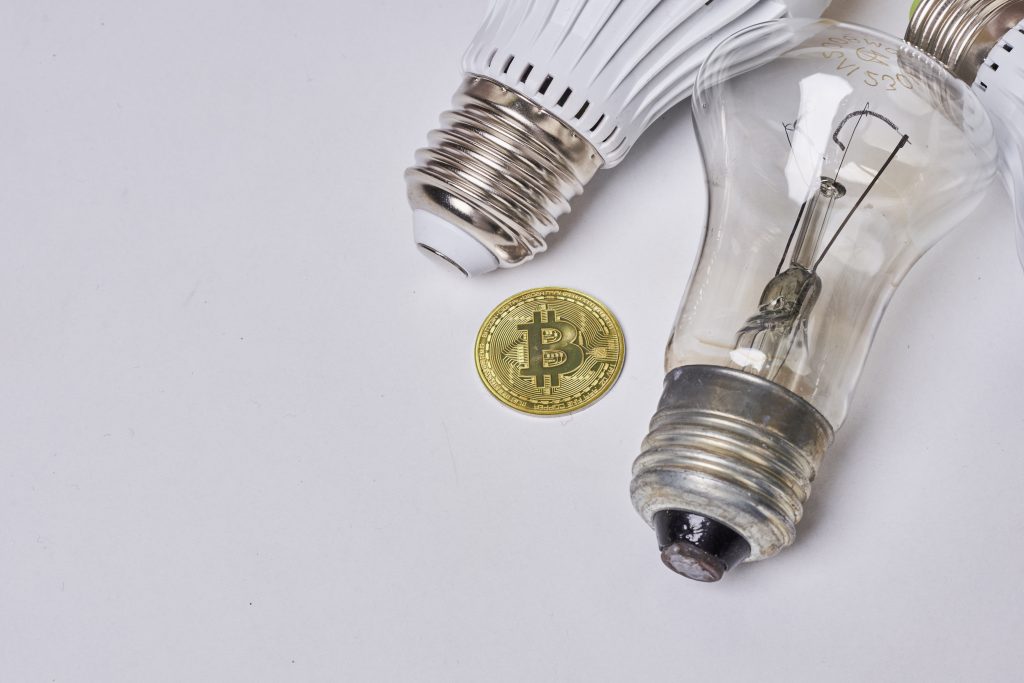
What’s the most common advice for saving money on electricity? Start lowering your consumption. Reducing your consumption begins with the most basic electricity-draining items — light bulbs. There are many types of bulbs from which to choose. Make sure you use the ones that require the lowest amount of electricity, such as LEDs.
Avoid anything that uses a lot of energy, such as the classical incandescent bulbs. By comparison, LED lights use approximately 70% less energy.
Dim the Lights
Dim light does more than set a tranquil mood. The brighter the lights, the more electricity you waste. Install a dimmer and use it whenever appropriate. For example, if you keep some lights on throughout the night in the hallway, use a dimmer to keep the brightness down. Make sure you get this device after checking the compatibility with your bulbs.
Get Motion Sensors
Eager to see how to save money on your energy bill every month? Motion sensors are one small step to getting there. These will automatically turn on the light when they detect motion. That means the lights will only be on when necessary and keep you from wasting energy. Motion sensors are ideal for the hallway, bathroom, courtyard, or porch.
Change the Way You Pay
One alternative to avoid spending too much on energy bills is to get a prepaid plan. With this type of plan, you buy the electricity you plan on using beforehand. A prepaid plan enables you to be more mindful of your electricity use. In addition, it will allow you to determine what causes fluctuations over time. As a result, a pay-as-you-go service could potentially lower your overall electric bill.
Seal Your Home Better
Old and deteriorated seals allow the heat to waste. Quality seals are inexpensive items. You should invest in them to optimize your home for lower energy consumption. These are the main places to check your seals:
- Doors
- Windows
- Appliance doors (fridge, freezer)
Inspect the seals if you feel it’s colder when you get close to the doors or windows during the winter. If they look deteriorated, it’s a definite sign they need replacement. A glance will be enough to check the quality of your fridge seals. The fridge and the freezer use a lot of energy compared to other appliances. That is why you should ensure they don’t waste any of it.
Check and Improve Your Insulation
Many households have substantial electricity bills because of poor insulation. If you live in an area where the winters or summers are harsh, you need to tackle this problem. Inadequate insulation allows air to escape. As a result, you’ll spend more because your heating system will be working harder to maintain warm temperatures.
Good insulation also prevents the heat outside from entering your home in the summer. Sound insulation is essential. It optimizes the system’s efficiency and allows you to spend less on electricity bills.
Optimize the Use of Your Appliances
Look for occasions to replace the oven with the microwave. The general rule should be to cook small dishes with small appliances. These use less energy.
Keep the oven for more elaborate meals and avoid opening it too much. When you cook, try to check what’s happening inside through the window. Each time you open the door, the temperature inside drops by more than 20 degrees. The oven has to use more electricity to make up for this decrease.
It might seem counterintuitive, but it works in the case of the dishwasher. Dishwashers are practical and energy-savvy. You can consume up to 5,000 gallons of water less by washing your dishes in the dishwasher. That translates into a few dozen dollars less on your energy bills. Plus, it saves time and spares you of the unpleasant chore.
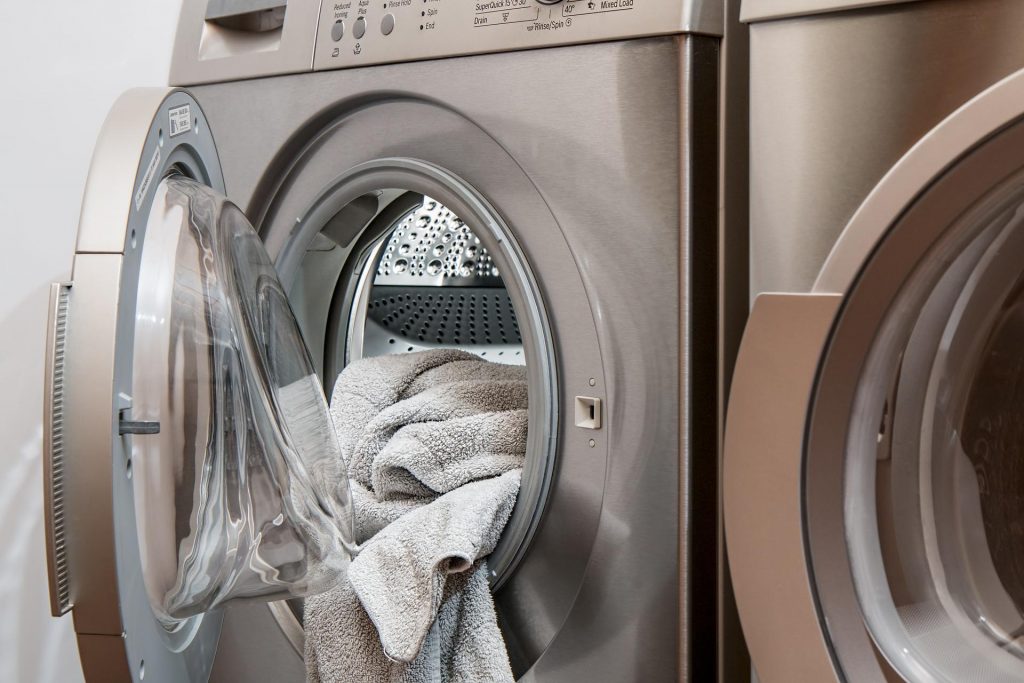
It is also possible to save money while washing clothes. The answer is to wash clothes in the cold instead of warm water. Using cold water lowers the washing machine’s electricity consumption.
Unplug Appliances
Many people ask themselves how to save money on electricity. Unfortunately, they fail to look at simple things that drain electricity with no purpose. First, it is crucial to check your appliances because they still pull electricity when plugged in, even if turned off.
Here are some stats and facts to get a better idea of how much different appliances consume monthly. Then, do your best to unplug as many as possible to lower electricity consumption.
Appliance | Electricity consumption in percentages |
Space heating appliances | 30% |
Water heating system | 14% |
Air conditioning | 11% |
Refrigerator | 4% |
Dryers | 3.5% |
Bulbs/TV/Home Theater/Sound Systems | 2.8% |
Electricity consumption per hour in watts:
Appliance | Hourly consumption |
Air conditioning | 15,000 watts |
Heat pump | 15,000 watts |
Water pump | 3,000 watts |
Water heater | 4,000 watts |
Electric oven | 2,120 watts |
Hairdryer | 1,200 watts |
It would help if you also thought about upgrading old appliances. These use more electricity than newer ones. For example, new washing machines with the Energy Star label use 25% less energy than old models. They also use up to 75% less water. When you buy new appliances, always look for energy-efficient models.
Use Less Warm Water
Bathing in colder water means lowering your electricity bills. You can try to use less warm water, at least in spring and summer. Washing with colder water might be challenging. But it also brings different advantages, including:
- It is less costly.
- It is more environmentally friendly.
- It brings certain health benefits.
If you’re curious to discover the health benefits of avoiding hot water, here is a quick breakdown. Washing with cold water:
- Boosts your immune system
- Improves blood circulation
- Calms down skin rashes and eczema
- Slows down skin aging by preventing the skin from drying out
- Combats the negative effect of prolonged exposure to sun rays
Use Smart Outlets
A smart outlet helps you save electricity by switching off the devices you’re not using. This way, it eliminates latent electricity usage. These are small plugs that fit into electric outlets. Connect the devices to your smartphone via Wi-Fi and a dedicated application, and you’ll be in control of your wired devices even on the go.
Smart outlets also provide extra features such as sensors. These can alert you when they detect dangers. The sensors can also activate the lights in your home.
You can use smart outlets to set timers for cooking appliances. If you want to, configure an on/off schedule. It will work on any device, machine, or lighting system and allow you to manage your home appliances better. The bottom line is that they reduce energy consumption.
Turn off the TV When You Are Not Watching
Take baby steps when you don’t know how to save money on utilities—insulating your house better and using energy-efficient bulbs help.
Yet, there are even more straightforward steps you can take. One is to stop keeping your devices on when not in use. The TV is the main target you should keep in mind. If you’re also used to constantly keeping your PC plugged in, start unplugging when you’re not using it.
Other Suggestions on How to Save Money on Your Electric Bill
Spending less on energy bills is a great way to start economizing if you are unsure why you can’t save money. This effort should go hand in hand with other strategies to spend less and maximize your savings.
Unlike grocery or clothes, energy costs are harder to predict and measure. It would take a lot of time and patience to calculate each appliance’s consumption, then use it according to an established threshold. However, estimating how much you pay for electricity each month contributes to effective budgeting.
Why You Should Try to Stay Within a Fixed Budget
There are plenty of advantages to creating and sticking to a budget. This habit is essential if you’ve got a limited income and want to live a less stressful financial life. It is more important if you want to save money for a house, college, or other significant expenses. Here are just some of the considerable advantages of budgeting:
- It ensures you’ll always have enough for utilities and food.
- It helps you cope with debt easier and fix your credit faster.
- It enables you to save money.
How To Create a Budget?
Creating a budget involves a few basic steps:
- Gather your financial statements to understand your income and expenses.
- Calculate the average income you can rely on monthly.
- Write down all your major expenses.
- Calculate your earnings vs. your spending.
- Divide your budget according to your expenses.
- Look for the best areas where you can cut expenses.
- Stick to the allocated budget every month.
Different strategies can help you create a budget, such as:
- The 50-30-20 Budgeting Method
- The Digital Budgeting Envelope System
- The 60% solution
- The 80/20 budgeting method
The 50-30-20 method divides your budget into three: wants (30%), needs (50%), and savings (20%). With the digital envelopes system, you create separate envelopes for different spending categories and only use what is in each.
The 60% method splits your budget into committed expenses (60%) and savings and fun (40%). 80% of your income goes toward necessities and nonessential expenses with the last budgeting method. The remaining 20% is savings.
Use Budgeting Apps
If budgeting on a piece of paper doesn’t work for you, there are plenty of apps you can use these days. They’ll help set a budget, track it, make adjustments, and save money. Here are just a few of the most popular ones:
FAQ
How to Save Money on Electric Bills Fast?
The fastest way is to figure out where you waste electricity. Then, try to improve in that area. For example, if the AC is one of the biggest consumers, turn it off when you’re not at home. Also, avoid wasting electricity by turning the TV, light, or any devices off when not in use. Sound house insulation helps save money on electric bills too.
How Much Money Can You Save on Electric Bills Monthly?
It depends on what habits you change to reduce your consumption. For example, you could start using fans instead of air conditioning. They use far less energy. We hope you save at least 10% (or more!) on your electricity bill by applying the above strategies. `
What is the Most Efficient Method to Save Money on Electric Bills?
Different methods may work based on your situation. Which strategy is the most cost-efficient for you to implement? One of the best ways to save money on bills is to reduce consumption. Anyone can do this without any investment.
How can I be Prepared to Pay My Electric Bill?
Careful budgeting also helps a lot. Ideally, you can estimate how much your bills cost each month to put aside that amount in preparation for paying it off. Using The Half-Payment Method is one way to make this work. This method enables you to set aside the right amount to keep you prepared.
How do I Save Money on Electricity Without Reducing Appliance Usage?
Saving money is possible by using smarter, newer appliances that use less electricity. It is also wise to run appliances at night because electricity is sometimes cheaper, based on your carrier and offered rates. Smart outlets can also help reduce consumption as they turn off unused devices.