

Last Updated on August 28, 2022
Contents
- 1 Learn How Much Money Do You Save Driving an Electric Car?
- 2 The History of Electric Cars and How They Work
- 3 How Much Time Does It Take to Charge an Electric Car?
- 4 How to Cut Down on Your Vehicle’s Charging Costs
- 5 How Much Do Electric Cars Cost Compared to Regular Cars?
- 6 How Much Money Do You Save Driving an Electric Car?
- 7 Do Electric Cars Really Make a Difference for the Environment?
- 8 Frequently Asked Questions (FAQs)
Learn How Much Money Do You Save Driving an Electric Car?
Do you save money with electric cars? Many drivers ask themselves this. Electric cars have become a trend these days, especially among people looking for an environmentally-friendly alternative to traditional cars. Gas prices skyrocketed this year. In this context, an electric car becomes a more enticing option.
Charging an electric car costs less than using gas. Indeed, there are other costs related to electric cars. For starters, they cost more. When you draw the line, how much money do you save driving an electric car? Let’s find out.
The History of Electric Cars and How They Work
Before asking if you save money with electric cars, you might want to know how these cars work. Electric cars might seem like a novelty. Who imagined decades ago you wouldn’t need gas to drive a car? In reality, these cars are not new. In fact, the technology these vehicles rely on was created in the 1830s. These cars didn’t get notoriety and interest back then. It took two centuries to rediscover their worth.
Growing environmental concerns made us re-evaluate electric cars. Gasoline shortages also contributed. Electric cars are becoming more popular than ever. According to estimates, by 2025, 20% of all new cars sold worldwide will be electric. Tesla is the leading name in this field, but there are other manufacturers that focus on electric vehicles too. Some examples include
Unlike traditional cars, electric cars need electricity to work. You plug them in. For this, you need a specific charge point or charging station. You can find these at gas stations and other places. The electricity is stored by a rechargeable battery. This is the part of the car that gives it the energy to work.
What are some of the distinctive traits of electric vehicles?
- They are easier to drive.
- You can accelerate them faster.
- They are less noisy than regular vehicles.
Many electric car owners will use public charging stations at some point. An alternative is to have a home charger for your electric car. If you charge at home, monitor your electric bill to see how much your car affects your electricity bill. Expect to pay an extra, but it will depend on your supplier and rate.
Compare the monthly bills before and after buying the electric car. If the cost doesn’t soar, charging at home might work for you. If the difference is significant, charge in public places.
Speaking of bills, electric cars could help you eliminate gas expenses. What about the rest of your bills? If you’re looking forward to cutting costs, use the half-payment method. We’ll illustrate it here below:
Process | Method |
Step 1 | Save 50% of the bills’ worth from your 1st paycheck. |
Step 2 | Save 50% of the bills’ worth from your 2nd paycheck. |
Step 3 | By the due date, you have 100% of your bill saved and can pay. |
This method may apply to your car-related costs. If you charge at home, the electricity bill will be part of the expense. There is no standard answer for how far a fully-charged battery takes you. It depends on the type of vehicle. You can find this information on the manufacturer’s website or at the car dealership. There are three key aspects you should know about your electric vehicle:
- The vehicle’s efficiency
- The range
- The battery’s size
All these details influence the length of time you can drive after one charging session.
Is it expensive to charge an electric car at home?
There is some information about this, but the situation is different for each driver. If you drive more, you charge more often. In conclusion, you spend more on electricity. The cost also depends on the car’s make and energy requirements.
To get a general idea, the average household uses around 893 kWh of electricity per month. An electric vehicle uses an average of 282 kWh of electricity per month. These estimates can help you anticipate your electric vehicle-related costs. Compare them with the average gas prices you currently pay for your car. Is it better to get an electric vehicle? For many drivers, the answer is yes.
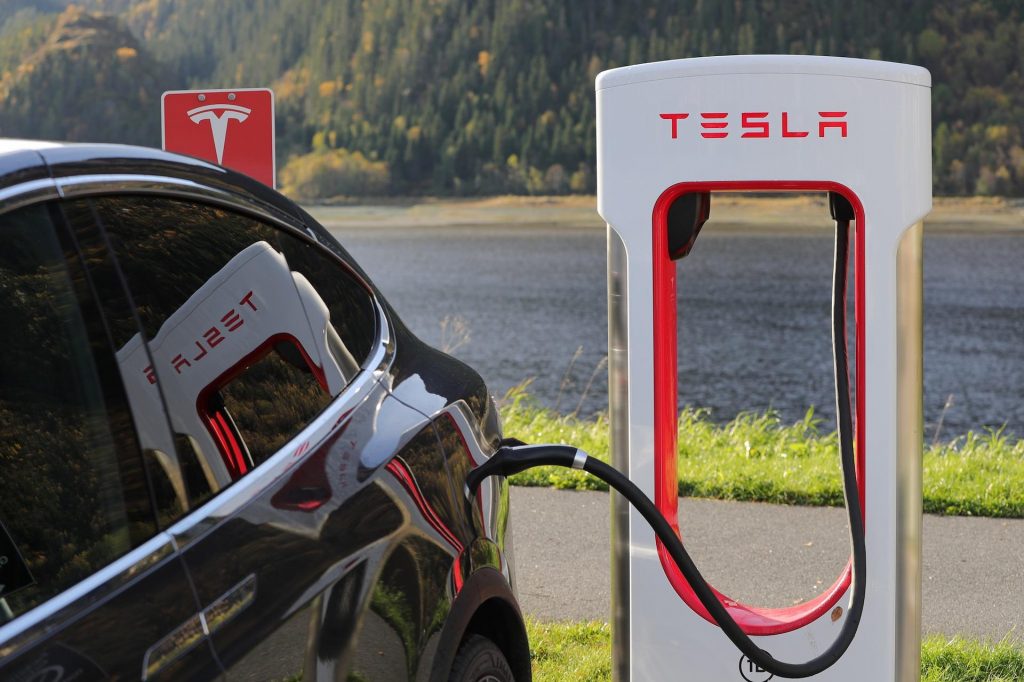
Electric Car Charge Costs
The US Department of Energy has an estimate. It costs around $1 per hour to charge an electric car at a level 2 charge. At a public DC Fast Charging unit, you will pay around $21 per hour ($0.35/minute). If you charge it at home, it depends on your kilowatt per hour rate. This varies based on where you live. The provider you choose also makes a difference.
How Much Time Does It Take to Charge an Electric Car?
This is one of the major concerns drivers have. You want to drive electric, but you’ve got a hectic schedule or an unpredictable job. What if you need to be somewhere urgently and your car is charging? It is indeed problematic. You need to plan ahead. Check your battery regularly. Make sure it doesn’t run low when you need your car the most.
For a complete charging cycle, the best time to charge is at night. That applies to cars with a slow charging speed. There are also cars that take far less time to charge. Here are the different charging speeds for electric cars. There are three charging options for EVs.
Charging speed | Charging time |
Rapid | 30-60 minutes |
Fast | 3-4 hours |
Slow | 8-10 hours |
When it comes to consumption, these cars vary. A larger battery with high energy requirements uses more electricity, but this vehicle also has a larger range. It means you’ll drive more between recharging sessions.
How to Cut Down on Your Vehicle’s Charging Costs
Do you want to pay less for charging your electric vehicle? Pinpoint the most affordable charging option. See how much you pay at home versus at public charging stations. Also, try not to fully charge the vehicle to preserve its battery. Charging it until it reaches 80%-90% is better for the battery’s lifespan.
You should also take advantage of electricity rates. For example, charge outside the peak hours to pay less. Before you buy an electric vehicle, do your research. This is a significant expense. You should consider multiple options. Compare the vehicles’ prices, but don’t stop there.
Make sure you also understand their energy needs, such as the car’s range. How far can you drive it after a full charge? You also want to know how much electricity a full charge requires (in kWh). Based on this information, you can estimate your electric vehicle’s annual cost and make a decision.
How Much Do Electric Cars Cost Compared to Regular Cars?
One absolute fact when comparing the two is that electric cars cost more than gasoline-powered cars. The difference is significant. The average electric vehicle costs almost $20,000 more than a regular one. Consider each car’s reputation.
Take Tesla, for example. It is the king of electric vehicles. Tesla vehicles are expensive, but if you buy one, you can expect quality. The car’s components and its systems are state-of-the-art. The interior is elegant and well-designed. All these increase the car’s cost.
Another argument behind the price is the battery. This is based on a lithium-ion combination, the same type of battery used in computers and electronics. The difference is the size. An electric car’s lithium-ion battery is large. It needs more of these components to work. Both of these are expensive metals.
Other electric vehicles are more affordable than Tesla. Yet, even those cost more than a gasoline-powered vehicle. Although you save on electric cars in the long run, you need money at the beginning to make a significant purchase. If you are thinking about how you will be able to make such a large purchase, you might want to learn how to fix your credit fast.
How Much Money Do You Save Driving an Electric Car?
Simply put, you save all the money you no longer spend on gas. An electric car eliminates this expense. You will pay to charge the vehicle using electricity. How much you’ll pay per year depends. It is helpful to make a preliminary calculation before you buy the car. Based on its battery and make, you can determine the charging costs.
Overall, you do save money with an electric car. Not just because you no longer buy gas. Electric cars require less regular maintenance. They need fewer replacements and repairs. For example, with a gasoline-powered car, you need to regularly change the oil. Other typical maintenance a regular car requires include
- Brake pad replacements
- Brake fluid change
- Coolant fluid replacement
- Transmission fluid change
At the end of the year, all these, plus other repairs, can amount to hundreds of dollars. With an electric vehicle, you don’t have to bear these costs.
Do electric cars save money in the end? Yes. They need minimum maintenance. These cars’ maintenance costs are usually half those of gas-powered vehicles. One of their maintenance needs is replacing the cabin air filter. Other expenses, such as insurance, may be more costly for electric vehicles.
Do Electric Cars Really Make a Difference for the Environment?
Let’s move on to the environmental impact. Many people find electric cars controversial. These cars don’t use gasoline. It’s safe to assume they pollute less than traditional vehicles. What about manufacturing them? Electric cars cost a lot to produce. They require lithium-ion batteries. These metals are expensive and pollute the environment when they end up in a landfill.
The CO2 emissions caused by producing an electric car are higher than those caused by gas-based vehicles. Yet, these already account for more than 30% of the total emissions electric vehicles produce. In conclusion, over their lifetime, electric cars are more environmentally friendly.
Frequently Asked Questions (FAQs)
Do you save money with electric cars?
Although electric cars cost more than gas-powered ones, you save long-term. You can charge these cars at public stations for around $20 or $1 per hour at home. You will eliminate your gas bill. At the same time, you invest less in car maintenance with an electric model.
Do electric cars save money?
A quick comparison will tell you yes, electric cars do save money. It costs less to charge your car than to fill up your tank. If you want to switch to electric vehicles, do the math. First, look for a car model. Then, check out its energy requirements. Calculate how much a full charge costs. You will reach a conclusion that favors electric cars over gas-powered ones.
How much money do you save driving an electric car per year?
There is no specific answer to this question. Some drivers say that you can save up to $800 per year or more. This depends on how often you drive. It also depends on the car’s battery and range. Many technical aspects influence costs, which is why it is important to research before you buy.
Do electric vehicles require a lot of maintenance?
No, electric vehicles are far less likely to end up at the mechanic. These cars are designed with minimum maintenance needs. If you wonder why you can’t save money on car costs, the answer is often maintenance. Classic cars need regular check-ups and replacements. Electric ones need minimal maintenance because they have fewer moving components prone to tear and wear.
Does insurance cost more for an electric car?
Electric cars are luxury cars. As such, their insurance costs more. Take this expense into account before making a commitment. You’ll have to pay more on an electric car’s insurance every year.
How to save money for an electric car?
One of the downsides of electric cars is their price. These vehicles cost thousands of dollars more compared to traditional ones. To start saving money for an electric car, budget. You can use the digital envelopes system, which will help you track and limit your expenses. You can also use the 50-30-20 budget, which involves saving 20% of your income each month.
Sources:
Preston, B. (2021, December 10) Electric vehicles may cost more to insure than gasoline-powered cars. Consumer Reports. Retrieved August 4, 2022, from https://www.consumerreports.org/car-insurance/electric-vehicles-cost-more-to-insure-than-gasoline-powered-a6372607024
Teague, C. (2022, June 28). Ev prices rise to $54,000 average as materials costs and demand soar. Autoblog. Retrieved July 28, 2022, from https://www.autoblog.com/2022/06/28/ev-electric-car-average-price-54000/?guccounter=1
NPR. (n.d.). Why it’s cheaper to charge an electric car than fill up with gas. NPR. Retrieved July 4, 2022, from https://stateimpact.npr.org/texas/2013/06/12/why-its-cheaper-to-charge-an-electric-car-than-fill-up-with-gas/#:~:text=In%20Washington%20State%2C%20the%20cost%20of%20charging%20an,few%20cents%20less%20than%20a%20gallon%20of%20gas.
Electric car vs. gas car costs: Which truly saves you the most money? National Motorists Association. (2022, February 18). Retrieved July 4, 2022, from https://ww2.motorists.org/blog/electric-car-vs-gas-car-costs/
Rowlatt, J. (2021, June 1). Why Electric Cars will take over sooner than you think. BBC News. Retrieved July 4, 2022, from https://www.bbc.com/news/business-57253947
Gasoline and diesel fuel update. Gasoline and Diesel Fuel Update – U.S. Energy Information Administration (EIA). (n.d.). Retrieved July 4, 2022, from https://www.eia.gov/petroleum/gasdiesel/
Environmental Protection Agency. (n.d.). EPA. Retrieved July 4, 2022, from https://www.epa.gov/greenvehicles/plug-electric-vehicle-charging
The advantages and disadvantages of electric vehicles. Interdisciplinary Research Journal And Archives. (2022, January 29). Retrieved July 4, 2022, from https://www.irjar.org/the-advantages-and-disadvantages-of-electric-vehicles/
Top Five reasons to choose an electric car. Union of Concerned Scientists. (n.d.). Retrieved July 4, 2022, from https://www.ucsusa.org/resources/top-five-reasons-choose-electric-car
A comprehensive guide to U.S. public EV charging networks. (n.d.). Retrieved July 4, 2022, from https://cars.usnews.com/cars-trucks/ev-charging-stations
Bartlett, J. S. (n.d.). How to charge your electric car at home. Consumer Reports. Retrieved July 4, 2022, from https://www.consumerreports.org/hybrids-evs/how-to-charge-electric-car-at-home/
Frequently asked questions (faqs) – U.S. energy information administration (EIA). Frequently Asked Questions (FAQs) – U.S. Energy Information Administration (EIA). (n.d.). Retrieved July 4, 2022, from https://www.eia.gov/tools/faqs/faq.php?id=97&t=3
Google. (n.d.). How much money do you save driving an electric car.docx. Google Docs. Retrieved July 4, 2022, from https://docs.google.com/document/d/1DVCkPhHfD8DdGf4ZiRK9qZMMNuMEnWhp/edit
May 25, 2022 C. L. (2022, May 25). Electric vs. gas cars: Is it cheaper to drive an ev? NRDC. Retrieved July 4, 2022, from https://www.nrdc.org/stories/electric-vs-gas-it-cheaper-drive-ev
Mostyn, M. (2021, January 19). Ev charging speeds explained: Slow, fast and rapid: Ovo Energy. EV charging speeds explained: slow, fast and rapid | OVO Energy. Retrieved July 4, 2022, from https://www.ovoenergy.com/guides/energy-guides/ev-charging-speeds-explained-slow-fast-and-rapid
Electric car charging – how it works and how much it costs: RAC Drive. RAC. (n.d.). Retrieved July 4, 2022, from https://www.rac.co.uk/drive/electric-cars/charging/electric-car-charging-how-it-works-and-how-much-it-costs/
Goodley, A. (2021, October 30). Top 8 most expensive teslas. Rarest.org. Retrieved July 4, 2022, from https://rarest.org/stuff/expensive-teslas
Reeves, E. (2020, December 25). Tesla makes the best American luxury cars according to Consumer Reports. MotorBiscuit. Retrieved July 4, 2022, from https://www.motorbiscuit.com/tesla-makes-the-best-american-luxury-cars-according-to-consumer-reports/
Carboncounter: Cars evaluated against climate targets. Carboncounter.com | Cars evaluated against climate targets. (n.d.). Retrieved July 4, 2022, from https://www.carboncounter.com/
Relative costs of driving electric and gasoline vehicles in the … (n.d.). Retrieved July 4, 2022, from http://websites.umich.edu/~umtriswt/PDF/SWT-2018-1.pdf
Wilson, K. A. (2021, May 20). Worth the watt: A brief history of the electric car, 1830 to present. Car and Driver. Retrieved July 28, 2022, from https://www.caranddriver.com/features/g15378765/worth-the-watt-a-brief-history-of-the-electric-car-1830-to-present/
Electric vehicles and maintenance: Six ways to maintain your EV. Electric vehicles and maintenance Six ways to maintain your EV Comments. (2020, April 28). Retrieved July 28, 2022, from https://pluginamerica.org/electric-vehicles-and-maintenance-6-ways-to-maintain-your-ev/
Public charging map. Public Charging Map – Drive Electric Vermont. (n.d.). Retrieved July 28, 2022, from https://www.driveelectricvt.com/about-evs/charging-map
Ultium Battery Powered Electric vehicles: General Motors. Ultium Battery Powered Electric Vehicles | General Motors. (n.d.). Retrieved July 28, 2022, from https://www.gm.com/ultium
Electric vehicles. Electric Vehicles. (n.d.). Retrieved July 28, 2022, from https://www.vw.com/en/electric-vehicles.html
Reaching new horizons with electric. Hyundai. (n.d.). Retrieved July 28, 2022, from https://www.hyundai.co.uk/electric-cars
R1t. Rivian. (n.d.). Retrieved July 28, 2022, from https://rivian.com/r1t
Via Motors. VIA Motors. (n.d.). Retrieved July 28, 2022, from https://www.viamotors.com/
Schuck, M., & Michael SchuckChief Editor at ThinkEVMichael brings his love for cars and his recently acquired knowledge of EVs. (2021, April 28). Ev battery charging best practices and more. ThinkEV. Retrieved July 28, 2022, from https://thinkev.com/ev-battery-charging-best-practices-and-more/
Hayes, A. (2022, July 13). Why are Tesla cars so expensive? Investopedia. Retrieved July 30, 2022, from https://www.investopedia.com/articles/personal-finance/032415/why-are-tesla-cars-so-expensive.asp